Building a resilient trauma care network for Nepal
Our mission, vision, history, and a message from our President.
High-quality trauma care, accessible to every citizen
As Nepal's infrastructure and transportation network grow, the country is witnessing a concerning rise in the rate of severe injuries from road accidents, workplace mishaps, and natural disasters. Treating critical trauma requires more than clinical skill alone. It demands a resilient system, the latest technologies, and seamless cooperation among medical professionals.
Our vision is clear: to make high-quality, specialised trauma and orthopaedic care accessible and affordable to every citizen, particularly those in remote and underserved areas of Nepal.
To achieve this, the Society focuses on four pillars:
- Elevating Care Quality: establishing standardised protocols and advancing trauma surgery capabilities.
- Knowledge Exchange: bridging the gap between orthopaedic and neurology specialists through national and international workshops, fellowships, and scientific committees.
- Education & Outreach: expanding capacity-building programs for local paramedics and launching free health camps in remote regions to improve pre-hospital care and trauma rehabilitation.
- Data-Driven Policy: collaborating with health organisations and institutions to guide better safety and health policies.
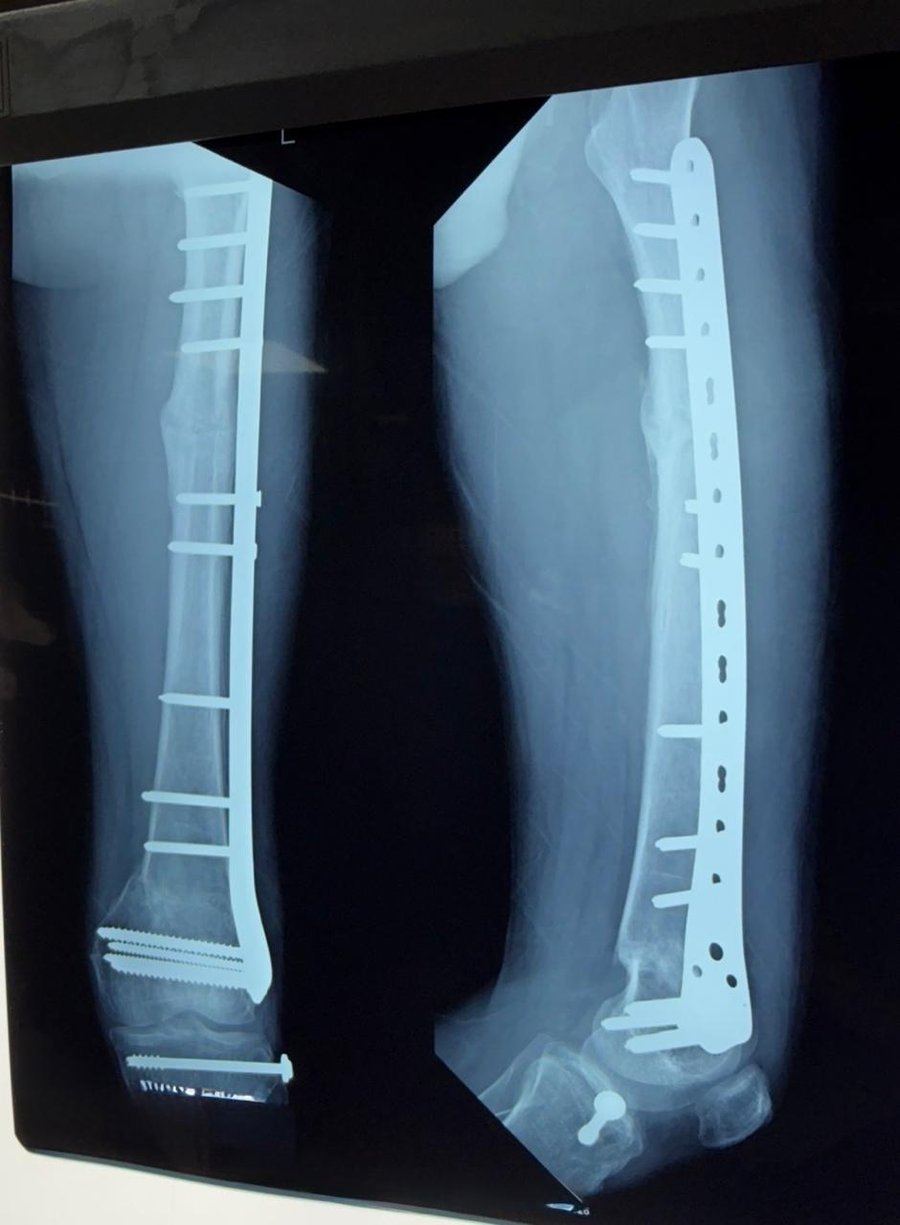
A message from Dr. Pramod Lamichhane
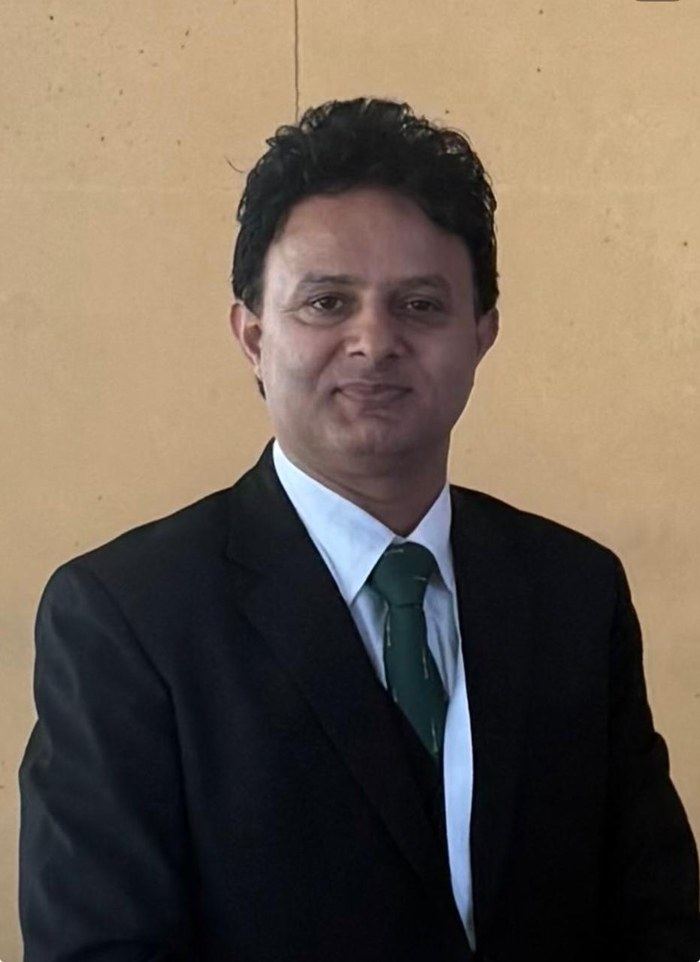
Dr. Pramod Lamichhane
President, Trauma Society of Nepal
Orthopaedic Trauma Surgeon
On behalf of the Executive Committee, it is my privilege to welcome you to the Trauma Society of Nepal (TSN).
Leading this newly established Society is both an honour and a profound responsibility. As Nepal's road and transport infrastructure continues to expand, we are observing a corresponding rise in the incidence of severe trauma resulting from road traffic accidents, occupational injuries, and natural disasters. The effective management of critical trauma demands far more than clinical expertise alone. It requires a resilient healthcare system, access to modern technology, and close collaboration among medical professionals across disciplines and provinces.
The vision of TSN is unambiguous: to ensure that high-quality, specialised trauma and orthopaedic care is accessible and affordable to every citizen of Nepal, with particular attention to those in remote and underserved communities.
To realise this vision, the Society is concentrating its efforts on four strategic priorities:
- Elevating Care Quality: Establishing standardised treatment protocols and advancing the nation's trauma surgery capabilities.
- Knowledge Exchange: Strengthening collaboration between orthopaedic and neurosurgical specialists through national and international workshops, fellowships, and scientific committees.
- Education & Outreach: Expanding capacity-building programmes for paramedics and frontline clinicians, and conducting free health camps in remote regions to improve pre-hospital care and rehabilitation.
- Data-Driven Policy: Partnering with health authorities and institutions to inform evidence-based safety and health policy.
Looking ahead, TSN is also committed to exploring how emerging technologies, including artificial intelligence, can strengthen trauma care delivery across Nepal, from decision-support tools for clinicians in remote district hospitals to data-driven approaches for road safety and injury prevention. We discuss this in greater detail under AI in Trauma Care.
Trauma management is, fundamentally, a collective endeavour. Working alongside our Patron, Prof. Dr. Ramesh Prasad Singh, our Executive Committee, and colleagues across all seven provinces, we remain committed to building a robust and sustainable trauma care network for Nepal: one that saves lives, restores function, and reduces the long-term burden of severe injury.
I thank you for your continued support and warmly invite you to join us in this important mission.
Dr. Pramod Lamichhane
President, Trauma Society of Nepal (TSN)
A new national society, built on decades of orthopaedic experience
2026: Founded
The Trauma Society of Nepal was established in 2026, bringing together senior orthopaedic trauma surgeons and a new generation of specialists under a single national body.
Founding Members
TSN was founded with 42 lifetime members, including a distinguished group of senior honorary members whose decades of work in orthopaedic trauma surgery laid the foundation for the Society.
National Reach
From the outset, TSN structured its leadership to include representatives from all seven provinces (Koshi, Madhesh, Bagmati, Gandaki, Lumbini, Karnali, and Sudurpashchim), ensuring a truly nationwide voice.
AI in Trauma Care: Planning for Nepal's Future
Artificial intelligence will not replace clinical judgement, but used thoughtfully, it can extend the reach of Nepal's limited trauma specialists into the places that need them most. TSN is exploring how the following applications could support our national network over the coming years.
Mass-Casualty Triage Support
During earthquakes, highway pile-ups, or other mass-casualty events, AI-assisted triage tools can help first responders rapidly prioritise patients by injury severity, supporting faster, more consistent decisions under pressure.
Tele-Trauma & Remote Decision Support
AI-enabled teleconsultation could connect district hospitals and health posts in provinces such as Karnali and Sudurpashchim with trauma specialists in Kathmandu, Pokhara, and Biratnagar, helping local clinicians stabilise complex cases before referral.
AI-Assisted Fracture & Imaging Screening
Automated screening of X-rays can flag suspected fractures for urgent review in facilities without an on-site radiologist, particularly valuable for hospitals along Nepal's major highway corridors.
Predictive Road-Safety Analytics
Analysing injury data from major routes such as the Prithvi and BP Highways can help identify high-risk locations, supporting targeted prevention campaigns, signage, and infrastructure improvements.
National Trauma Registry & Research
A shared, structured trauma registry, analysed with the support of TSN's Scientific Committee, would help the Society track outcomes, evaluate interventions, and guide evidence-based national policy.
Simulation-Based Training
AI-supported simulation tools can extend TSN's education programmes to paramedics and surgeons in regional centres, complementing the in-person workshops and fellowships organised by the Society.